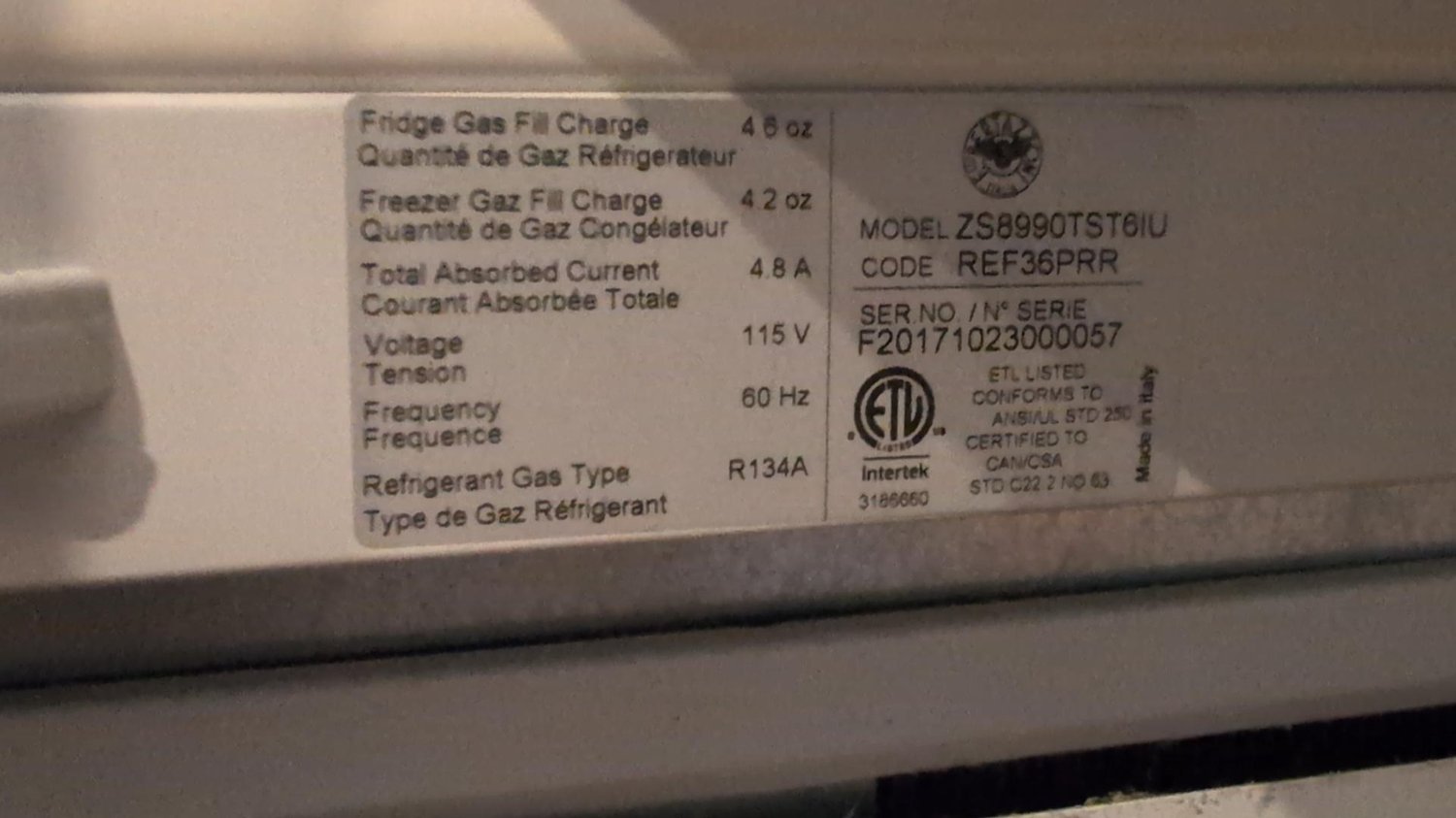


Many range hood installation problems start after the purchase: a unit that does not fit the space, a duct that cannot reach the outside, a fan that ends up recirculating because the exhaust path was never there. The cheapest time to find that out is before the order is placed. A homeowner in east Ottawa’s Beacon Hill area did exactly that.
The request
TechVill technician Alpeshkumar arrived to find that the homeowner was planning to buy a new range hood fan — a Viking model they already had in mind — and wanted one question answered first: will it actually work in this house?
Nothing was broken, and nothing was being sold. The visit was an inspection of the site the hood would have to live in.
Why a hood depends on the house more than the cooktop
A ducted range hood is only half an appliance. The other half is the route its exhaust takes out of the building, and that route is fixed by the house, not by the catalogue. The hood’s size and mounting have to suit the kitchen layout and cabinetry, and its outlet has to connect to a duct that can reach an exterior wall or the roof — very often by passing through the attic. A hood that suits the cooktop perfectly can still be the wrong purchase if that path is not available.
That is why the inspection had two halves.
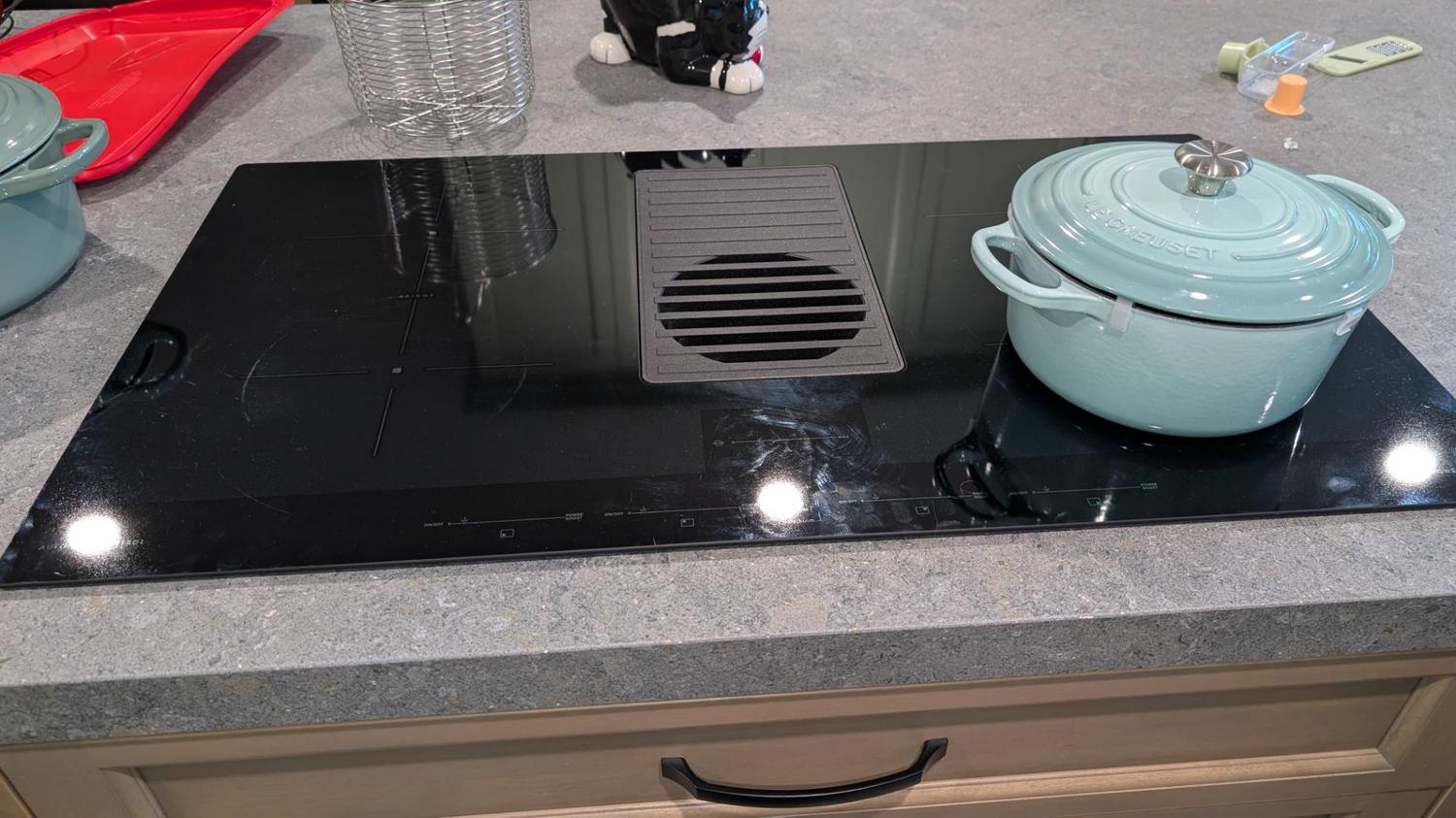
The kitchen. Alpeshkumar checked the interior: the cooking area, the layout around it and the physical space the planned hood would occupy. This kitchen cooks on an island induction cooktop with its own integrated downdraft vent, so the new hood is an addition to the existing ventilation, not a like-for-like swap.
The attic and roof. He then went up to assess the exterior and roof side, including attic access — the space a new exhaust duct would have to cross.
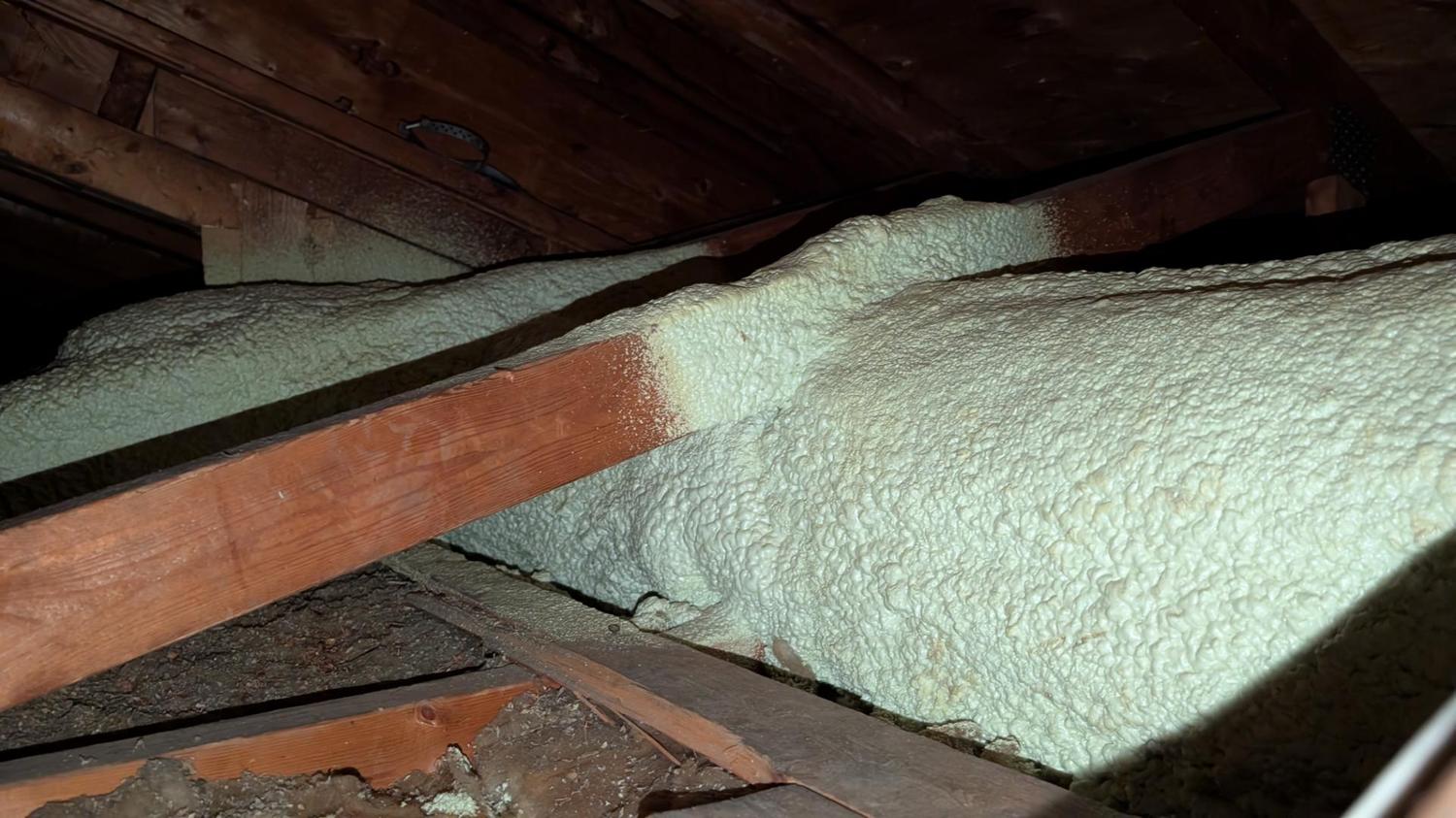
Both areas were photographed, so the homeowner has a record of the site conditions and the eventual installation starts from known ground rather than from a first look on install day.
The outcome
On the basis of the inspection, the homeowner was cleared to buy the hood they had in mind. Once it arrives, they will book TechVill for the installation.
No parts were used and none were needed. The value of the visit was a yes-or-no answer given before the money was spent, rather than after.
The takeaway for homeowners
If you are replacing a range hood with the same type in the same place, the existing duct usually tells you what you need to know. If you are changing the type of hood, adding one where there was none, or moving it — especially over an island — have the site checked before you order. Returns and restocking fees on large ventilation units are expensive, and a hood that cannot be vented the way it was designed to be is a compromise you live with every time you cook.
Book online to schedule a range hood site check or installation with our team.