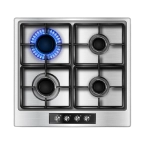

Electrolux Appliance Repair in Ottawa

Electrolux
Home / Ottawa / Appliance Repair / Electrolux

Electrolux Appliances We Service in Ottawa

Choose your Electrolux appliance for repair

Our Ottawa team services the complete Electrolux home appliance lineup under factory authorization – front-load washers with SmartBoost® pre-mix dispensing and LuxCare Wash, vented dryers with Balanced Dry moisture sensing and Wear it Again™, French door and side-by-side refrigerators with Perfect Temp drawers, dishwashers with OrbitClean® rotating spray systems, electric and induction ranges, gas and induction cooktops, and single and double wall ovens. Ottawa’s moderate water hardness positions Electrolux maintenance between the aggressive mineral schedules of Prairie cities and the scale-free conditions of Vancouver – OrbitClean® nozzles accumulate deposits at a moderate pace, SmartBoost® operates well on standard HE detergent, and Ottawa’s summer humidity creates a seasonal window for front-load gasket and Balanced Dry sensor care that does not exist in Winnipeg’s drier climate.

Reviews of our customers

Common Electrolux Appliance Issues in Ottawa

  • Not draining water after wash cycle – E21/E23/E24 (drain fault – blocked pump filter, kinked hose, or drain pump failure)
  • Water not filling during wash phase – E11 (fill fault – inlet valve, water supply pressure, or kinked hose); at Ottawa’s 120-160 mg/L water hardness, mineral scale accumulates on Electrolux’s fine-mesh inlet valve screens and progressively restricts fill flow; screen inspection every 24 months is the appropriate Ottawa interval – longer than Winnipeg’s 18-month cycle but following the same mechanism
  • Water not filling during rinse phase – E13 (rinse fill fault – inlet valve or supply pressure); same inlet screen scale mechanism as E11 at Ottawa’s water hardness
  • Drum not spinning or agitating – motor control fault or drive belt failure
  • Door not locking – cycle won’t start; door latch or wiring fault
  • Excessive vibration during spin – unbalanced load, drum bearing wear, or leveling issue
  • SmartBoost® dispenser not releasing detergent before cycle – dispenser mechanism or control board fault
  • LuxCare Wash cycle not completing correctly – water temperature sensor or heating element fault
  • Front-load door seal mold during Ottawa summer – Ottawa’s July and August humidity (regularly 70-80% RH) creates a seasonal mold risk on Electrolux’s front-load door gasket; the rubber gasket folds trap moisture after each cycle during humid summer months, promoting mold growth on the inner seal surface and drum odour; wiping the gasket dry after every cycle and leaving the door ajar between June and September prevents most summer mold calls – this is a seasonal practice, not a year-round requirement as in Vancouver
  • Not heating or taking multiple cycles to dry clothes – E61/E60 (heating element fault or thermal limiter tripped)
  • Drum not tumbling – belt or motor fault
  • Shutting off mid-cycle – E64 (heating element wiring fault) or thermal limiter safety trip
  • Maximum drying time reached with clothes still damp – EF3 (moisture sensor blockage or damaged sensor)
  • Door sensor error preventing start – E42 (door switch fault)
  • Error codes: EF1/EF2 (exhaust vent blocked or restricted), E61 (heating element fault), E64 (heater wiring fault), EF3 (moisture sensor fault), E42 (door sensor error)
  • Balanced Dry moisture sensor reading ambient humidity as garment dampness during Ottawa summer – Ottawa’s July and August humidity (70-80% RH) can cause Balanced Dry sensor bars to register humid ambient air drawn into the drum as residual fabric moisture, potentially shortening drying cycles before the load is fully dry; this is a seasonal pattern that does not occur during Ottawa’s drier autumn, winter, and spring months; cleaning sensor bars at the start of summer and ensuring laundry room ventilation reduces the frequency of this issue
  • Exhaust duct condensation triggering EF1/EF2 codes from Ottawa freeze-thaw cycling – Ottawa winters reach -20°C to -25°C with multiple thaw events; duct sections through uninsulated exterior walls accumulate condensation ice that partially thaws during mild spells then refreezes – progressive restriction that can reblock a duct that appeared clear during a warm spell; thermal limiter trips from blocked-vent overheat require limiter replacement; inspecting duct insulation before Ottawa’s heating season and rechecking in January accounts for the Ottawa freeze-thaw reblock pattern
  • Not cooling or maintaining consistent temperature – SY EF (evaporator fan failure), compressor, or condenser fault
  • Ice maker not producing ice or producing undersized cubes – inlet valve, water line, or ice maker assembly fault; Ottawa’s moderately hard water accumulates scale in the supply line and at the inlet valve at a moderate rate; replacing the water filter every 5-6 months maintains reliable ice maker performance at Ottawa’s water conditions
  • Frost buildup on evaporator coils – E03 (defrost heater fault) or defrost thermostat failure
  • Perfect Temp drawer not maintaining independent set temperature – zone sensor or control board fault
  • Door gasket pulling away from frame or failing to seal – Ottawa’s freeze-thaw cycling puts repeated expansion-contraction stress on gasket material through winter; gaskets that appear visually intact can lose sealing compression before showing visible cracking
  • Water dispenser not working or slow flow – inlet valve or filter blockage
  • Error codes: SY EF (evaporator fan circuit failure), SY CE / SY CF (control board communication fault), E02 (temperature sensor fault), E03 (defrost heater fault), E04 (condenser fan fault), OP/SH (temperature sensor open or shorted)
  • Water pooling inside refrigerator – blocked defrost drain line
  • Compressor not cycling in unheated Ottawa garage during winter cold snaps – Electrolux refrigerators are engineered for indoor ambient temperatures above approximately 10°C; during Ottawa’s January and February cold periods reaching -20°C to -25°C, an unheated garage can trigger compressor cycling failure while the freezer section warms above safe storage range; this is an intermittent pattern that clears during mild spells and returns when temperatures fall again
  • Not cleaning dishes thoroughly – OrbitClean® spray arm blockage, pump pressure low, or filter clogged
  • Not draining water at end of cycle – i20 (sump/drain blockage), E30/E31/E32 (drain fault – pump, hose, or filter)
  • Water leaking from door seal or base – E01 (leak detected in drain pan / flood sensor triggered) or i30 (leak detection)
  • Drying cycle not functioning – heating element or vent fault
  • Detergent dispenser not opening during wash – dispenser mechanism or control board fault
  • Error codes: iC0/iC1/iC2/iC3 (control board communication failure), E01/i30 (leak detected), i20 (drain/sump blockage), LOC (door lock engaged), E30-E38 (drain system fault)
  • LOC code preventing cycle start – door lock or child safety lock engaged; release via IQ-Touch Air Dry button hold
  • Dishes emerging spotted or cloudy despite completed cycle – rinse aid dispenser empty or spray arm mineral deposits
  • OrbitClean® rotating spray arm mineral deposits at Ottawa’s water hardness – Ottawa’s 120-160 mg/L water supply deposits calcium scale on OrbitClean’s precision spray nozzles at a moderate rate; monthly filter cleaning and a descaling cycle every 6-8 weeks maintains wash pressure and prevents i20 sump codes – less frequently than Winnipeg’s 4-6 week descaling schedule but more frequently than Vancouver where OrbitClean® nozzles do not accumulate mineral deposits
  • Oven and surface not responding as coordinated unit on induction range – control board communication fault between oven and cooktop sections
  • Gas burners not igniting – igniter, spark electrode, or control module fault
  • Oven temperature inconsistent during bake despite correct setting – temperature sensor calibration drift or convection element cycling fault
  • Self-clean cycle completing but interior not cleaned to expectation – temperature not reaching pyrolytic threshold; thermal fuse or door latch requires assessment
  • Slide-in range gap between body and counter surface – installation or leveling adjustment required
  • Error codes: F10 (oven overtemperature safety), E and F codes (user interface / oven sensor faults), induction power board ID1/ID2/ID3 codes (left/right induction board faults)
  • Double oven upper and lower zones not operating independently – control board or relay fault
  • Warming drawer not reaching or maintaining set temperature – element or thermostat fault
  • Induction surface not recognizing compatible cookware – coil, power board, or pan detection sensor fault
  • Gas burner not igniting or producing weak flame – igniter, spark electrode, or gas pressure fault
  • Touch controls unresponsive or activating randomly – UI board, moisture ingress, or ribbon connection fault
  • Electric element heating unevenly or not energizing – element or infinite switch fault
  • Glass surface cracked from thermal stress or impact – assessment required before continued use
  • Power anomaly causing breaker trips – internal wiring or control board short
  • Induction power board fault codes – ID1/ID2/ID3 codes indicating left or right board failure
  • Cooktop locked – hold designated button per model to disengage control lock
  • Induction glass mineral deposits from Ottawa cooking water – Ottawa’s moderate water hardness leaves calcium residue on the induction glass surface from cooking water splatter; cleaning promptly after cooking sessions involving water contact prevents mineral bonding under heat cycles – less aggressive than the etching risk in Winnipeg but the same prompt-cleaning discipline applies
  • Oven not reaching set temperature – F10 (overtemperature safety trigger), temperature sensor, or heating element fault
  • Temperature inconsistent during baking – RTD sensor calibration drift or relay board fault
  • Self-clean cycle not completing – door latch mechanism, thermal fuse, or control board fault
  • Convection fan not circulating heat – motor bearing wear or obstruction in cavity
  • Oven door not closing flush – hinge misalignment or worn door gasket
  • Error codes: F10 (overtemperature protection), F-series and E-series (sensor, latch, relay, and UI board faults)
  • Control panel unresponsive after power interruption – control board reset or replacement required
  • Interior light not functioning despite bulb replacement – socket or wiring fault behind oven liner
  • Double wall oven upper and lower zones not coordinating – relay board or inter-zone control board communication fault

Why Ottawa Homeowners Choose TechVill for Electrolux Repair

Ottawa Electrolux-Authorized Specialists
TechVill holds factory authorization from Electrolux. Our Ottawa technicians follow manufacturer-approved diagnostic protocols using Electrolux-specific service tools – covering SmartBoost® dispenser diagnostics, OrbitClean® spray arm pressure assessment, LuxCare Wash fault isolation, and Perfect Temp zone sensor testing. Ottawa-specific experience includes the moderate-hardness inlet valve screen interval described in the Issues section, seasonal front-load gasket and Balanced Dry sensor care for Ottawa’s summer humidity window, and the EF1/EF2 freeze-thaw duct reblock pattern that produces mid-winter dryer faults after apparent clearance during mild spells.
Same-Day Electrolux Repair in Ottawa
When your Electrolux appliance breaks down, our Ottawa dispatch team confirms your appointment within 3-5 minutes. Technicians arrive same-day with Electrolux-compatible diagnostic equipment and common OEM components – completing most repairs in a single 60-90 minute visit.
Genuine Electrolux Parts Available Locally
All Electrolux replacement parts are genuine OEM components sourced through authorized suppliers Reliable Parts and Marcone. Most common Electrolux parts – control boards, inlet valves, heating elements, door seals, Balanced Dry moisture sensors, and OrbitClean® spray assemblies – are available for rapid delivery to our Ottawa service area. Only genuine OEM parts are installed under warranty.
Electrolux Repairs Backed by Real Warranty
Ottawa Electrolux repairs carry a 90-day labor guarantee. Genuine OEM parts come with up to 12-month manufacturer coverage. Issues within this period are resolved at no charge – our Ottawa technician returns and re-diagnoses. Exclusions apply to misuse, physical damage, and residential units used in commercial settings.

Recognized Electrolux Appliance Service in Ottawa

BBB Accredited Business, A+ Rating – reflecting transparent business practices and consistent complaint resolution across all TechVill locations including Ottawa.

Operational standards every Ottawa Electrolux service call includes:

  • $5M commercial liability insurance covering gas appliance work, sealed-system repairs, and electrical components
  • Corporate IDs, branded uniforms, and security background checks on all technicians
  • Weekly OHS safety meetings and PPE compliance on every job
How Electrolux Repair Works In Ottawa
From Booking To Warranty - Your Repair Step By Step
Contact Us Now

Book Your Electrolux Repair in Ottawa

Contact our Ottawa dispatch team by phone or online form. Our coordinator reviews your Electrolux appliance category and fault description – matching you with a factory-authorized technician experienced in that specific product line, whether that is a SmartBoost® washer, OrbitClean® dishwasher, Perfect Temp refrigerator, or Balanced Dry dryer – factoring in Ottawa service area coverage across the National Capital Region.

Assemble the Repair Team

Ottawa Technician Diagnoses & Repairs

Your Ottawa-based Electrolux-authorized technician arrives with Electrolux-specific diagnostic tools and service documentation. On-site assessment takes 15-30 minutes – covering front-load gasket condition for seasonal summer mold, OrbitClean® nozzle pressure and filter check, inlet valve screen inspection for Ottawa’s moderate-hardness accumulation, and Balanced Dry sensor check for summer humidity calibration. Most repairs are completed within the same visit.

Receive Customer Feedback

Warranty Activated, Quality Verified

We run a complete function test on your Electrolux appliance – verifying washer fill and drain cycles, dryer heat and sensor response, dishwasher OrbitClean® pressure, or refrigerator temperature zones depending on the appliance serviced – before closing the job and activating warranty coverage. When a component needs ordering, our Ottawa parts network sources most Electrolux OEM items within 1-3 business days, and follow-up installation is booked at your convenience.

Meet Your Ottawa Electrolux Repair Team

Steven - Senior Technician, Training Coordinator
  • Specialization: Manufacturer training protocols, diagnostic procedures
  • Certifications: GE, Electrolux, Bosch factory authorization
  • Role: Develops certification standards, leads technician training

Harry -
Technician
Team Lead

  • Specialization: Team coordination, quality assurance
  • Certifications: Samsung, Bosch authorized
  • Role: Maintains high completion rates, ensures service standards

Electrolux Appliances in Ottawa - How Local Conditions Affect Your Repair

Electrolux’s signature technologies – SmartBoost® pre-mix dispensing, OrbitClean® rotating spray nozzles, Balanced Dry moisture sensing, and LuxCare Wash’s fabric-preserving drum action – each interact with Ottawa’s environment in ways that position the city between the two poles defined by Winnipeg and Vancouver. Ottawa’s water is moderate enough that OrbitClean® accumulates mineral deposits but at a slower rate than in Prairie cities; the city’s summer humidity creates seasonal front-load gasket and Balanced Dry sensor maintenance requirements that do not exist in Winnipeg but are more contained than Vancouver’s year-round demands; and Ottawa’s winters introduce the vented dryer EF1/EF2 freeze-thaw reblock pattern that is distinct from both Vancouver’s condensation-without-freezing and Winnipeg’s sustained deep-freeze duct failure. TechVill holds factory authorization from Electrolux, giving our Ottawa technicians access to manufacturer service documentation and error code databases calibrated for each of these local patterns.

Ottawa’s Moderate Water Hardness and Electrolux Water-Connected Appliances

Ottawa’s municipal water supply runs at approximately 120-160 mg/L of calcium carbonate. For Electrolux appliances, this hardness level creates maintenance requirements between the aggressive schedules of Prairie cities and the scale-free conditions of Vancouver:

  • Washers and E11/E13 codes: Electrolux front-load washers draw water through fine-mesh inlet valve screens that accumulate mineral scale at Ottawa’s water hardness level. The accumulation is slower than in Winnipeg – where screen-caused E11 or E13 fill faults appear on an 18-month service cycle – but the mechanism is the same. Following the screen inspection interval described in the Issues section above prevents scale from restricting fill flow to the point of triggering E11 or E13 on models where the valve itself is functional. This diagnostic distinction – scale on the screen vs. genuine valve failure – is the difference between a maintenance service call and a component replacement.
  • SmartBoost® and Ottawa water: Electrolux’s SmartBoost® pre-mixes water and concentrated detergent before the mixture enters the drum. In Winnipeg, hard water affects detergent solubility in this pre-mix stage and hard-water-formulated detergents work better. In Vancouver, soft water raises the risk of excess suds from standard dosing. At Ottawa’s moderate 120-160 mg/L hardness, standard HE detergent dissolves effectively through SmartBoost® and no special formulation is required – the system operates close to its designed conditions.
  • Dishwashers and OrbitClean®: Electrolux’s OrbitClean® rotating spray arm uses precision nozzles that are more sensitive to mineral blockage than standard stationary arms because the rotation mechanism and nozzle geometry require consistent pressure to function correctly. At Ottawa’s water hardness, mineral deposits accumulate in OrbitClean’s nozzles at a moderate rate – more slowly than in Winnipeg, where monthly filter cleaning and descaling every 4-6 weeks is required, but faster than in Vancouver where nozzle mineral blockage does not occur. Following the descaling interval described in the Issues section above maintains wash pressure and prevents i20 sump codes linked to reduced circulation.
  • Fridges with ice makers: Ottawa’s water hardness accumulates scale in the ice maker supply line and inlet valve more slowly than in Prairie cities. The appropriate filter replacement interval for Ottawa positions between Winnipeg’s shortened 4-5 month schedule and the standard 6-month recommendation – frequent enough to prevent scale accumulation at Ottawa’s mineral load without over-servicing.

Ottawa’s Summer Humidity and Electrolux Washers and Dryers

Ottawa’s July and August bring persistently elevated relative humidity – regularly 70-80% RH during the peak summer period. Two Electrolux technologies respond specifically to this seasonal humidity:

  • Front-load washer door seal gasket: Ottawa’s summer humidity creates a seasonal mold risk on Electrolux’s front-load door gasket that is distinct from both the Prairie and coastal city patterns. During summer months, humid Ottawa air trapped in the drum after each cycle supports mold growth on the inner gasket folds, producing a drum odour that transfers to laundry. Unlike Vancouver where this is a twelve-month maintenance commitment, Ottawa households need the door seal wipe-dry habit only from June through September. Outside these months, Ottawa’s drier indoor air prevents the sustained moisture conditions that mold requires.
  • Balanced Dry moisture sensor calibration: Electrolux’s Balanced Dry system uses sensor bars in the dryer drum to detect electrical conductivity of the laundry as it tumbles past – wet fabric conducts more than dry. In Ottawa’s July and August, humid ambient air drawn into the drum can register on the sensor bars as residual fabric moisture, signalling cycle completion before the load is fully dry. This seasonal pattern affects Ottawa dryers during the same summer window as the gasket mold issue – the shared cause being Ottawa’s peak-summer humidity rather than a sensor fault. In Vancouver, where ambient humidity remains elevated year-round, this is a continuous maintenance concern; in Ottawa it is seasonal. The sensor cleaning and ventilation approach described in the Issues section above is the practical response during Ottawa’s summer months.

Ottawa’s Winter and Electrolux Dryers and Fridges

Ottawa winters reach -20°C to -25°C during sustained cold periods, with a characteristic freeze-thaw pattern between December and March. Two Electrolux appliance categories are affected:

  • Vented dryer exhaust duct freeze-thaw cycling: Electrolux dryers are vented models that discharge exhaust through an exterior wall duct. In Ottawa, duct sections through uninsulated exterior walls accumulate condensation ice during cold periods, partially thaw during mild spells, then refreeze – progressively building restriction through the winter. This differs from Winnipeg’s sustained freeze pattern where duct ice accumulates continuously: in Ottawa, a duct that appeared clear during a January mild spell can reblock within days as temperatures fall again. The EF1/EF2 (blocked vent) codes that appear in February on Ottawa Electrolux dryers often follow periods of apparently normal performance – a diagnostic pattern that points to the Ottawa freeze-thaw reblock cause rather than a newly failed component. The thermal limiter note and prevention schedule described in the Issues section above apply to every Ottawa heating season.
  • Electrolux refrigerators in unheated garages: Ottawa garages can drop to -20°C to -25°C during cold snaps in January and February. At these temperatures, Electrolux refrigerators approach their ambient operating threshold of approximately 10°C, causing the compressor to stop cycling while the freezer section warms. This is an intermittent pattern in Ottawa – it clears during mild spells and returns when temperatures fall again – making the cause harder to identify than Winnipeg’s continuous garage failure pattern. Temperature monitoring during Ottawa’s coldest periods is the practical response.

Electrolux Appliance Lifespan and Ottawa Maintenance Schedule

  • Washers: 12-15 years. Follow the inlet valve screen inspection interval described above for Ottawa’s moderate scale accumulation. During June through September, follow the door seal gasket wipe-dry routine described above and leave the door ajar between cycles. Outside the summer season, Ottawa’s drier indoor air means the year-round gasket maintenance required in Vancouver is not needed here. Use standard HE detergent with SmartBoost® – no hard-water formulation required at Ottawa’s water conditions. Run the drum cleaning cycle monthly.
  • Dryers: 12-15 years. Clean the lint filter after every load. Follow the duct insulation inspection schedule described in the Issues section above – both the pre-heating-season check and the January recheck for Ottawa’s freeze-thaw reblock pattern. During June through August, follow the Balanced Dry sensor cleaning and laundry room ventilation guidance described above. Clean the sensor bars every 3 months to maintain dryness detection accuracy year-round.
  • Fridges: 14-17 years. Follow the water filter replacement interval described above for Ottawa’s moderate mineral load. Clean condenser coils every 6 months. Inspect door gaskets each spring for seal compression loss from Ottawa’s winter freeze-thaw cycling. Do not store Electrolux refrigerators in unheated Ottawa garages through winter without temperature monitoring.
  • Dishwashers: 10-13 years. Clean the filter assembly monthly for food debris. Follow the descaling interval described above for Ottawa’s water hardness to maintain OrbitClean® nozzle pressure. Inspect the door seal annually for mineral residue around the gasket frame.
  • Ranges and Cooktops: 14-18 years induction, 15-20 years gas. Follow the induction glass cleaning approach described in the Issues section above for Ottawa’s moderate water conditions. For gas ranges, clean burner caps and igniter ports regularly.
  • Wall Ovens: 14-18 years. Use self-clean no more than twice per year to protect door seals and thermal fuses. If F10 (overtemperature) codes appear during or after self-clean cycles, the RTD sensor and relay board are the primary components to assess.

When to Repair vs. Replace an Electrolux Appliance in Ottawa

Ottawa’s Electrolux fault pattern shares the characteristic of both Prairie and coastal cities: maintenance-category issues that produce the same error codes as genuine component failures. E11/E13 fill codes from inlet screen scale, EF1/EF2 blocked-vent codes from freeze-thaw duct reblocking, and summer gasket odour from seasonal humidity all resolve without part replacement when the Ottawa-specific cause is correctly identified at the diagnostic visit. For genuine component failures, Electrolux’s mid-to-upper price positioning means washers, dryers, and refrigerators represent meaningful household investments with 12-17 year service lives under proper maintenance – which makes repair the right financial choice through most of that lifespan. Our Ottawa technicians distinguish maintenance issues from component failures and give you an accurate assessment before any work begins.

FAQ

Diagnostic assessment starts at $179 for standard Electrolux models and $259 for premium, built-in, and double wall oven units, including 15 minutes of hands-on evaluation. Several common Ottawa Electrolux fault presentations are maintenance issues rather than component failures: E11/E13 washer codes from inlet screen scale on Ottawa’s 24-month accumulation cycle, EF1/EF2 dryer codes from freeze-thaw duct reblocking, OrbitClean® wash pressure reduction from moderate nozzle deposits, and summer gasket mold from seasonal humidity all resolve at lower cost once the Ottawa-specific cause is identified. Your technician provides a complete written estimate before any work begins.

Yes. Same-day service runs across Ottawa and the National Capital Region service area. Fridge failures receive priority dispatch – an Electrolux fridge breakdown during an Ottawa cold snap, when a garage-stored unit may be approaching its ambient operating boundary, can quickly become a food safety issue. Gas appliance issues receive the same priority treatment. Evening and weekend slots are subject to technician availability; contact us directly for urgent situations.

Our Ottawa technicians diagnose Electrolux’s full error code system under factory authorization: E21/E23/E24 (drain fault), E11/E13 (fill fault – inlet valve or screen scale), for washers; EF1/EF2 (blocked vent), E61/E60, E64, EF3, E42 for dryers; SY EF, E02-E04, OP/SH, SY CE/CF for refrigerators; i20, E01/i30, iC0-iC3, E30-E38 for dishwashers; F10, ID1/ID2/ID3, E/F codes for ranges and cooktops; F10, F/E series for wall ovens. In Ottawa, E11/E13 fill codes from inlet screen scale appear on a 24-month accumulation cycle at Ottawa’s water hardness – our technicians inspect screens before condemning the inlet valve. EF1/EF2 codes in mid-winter warrant a freeze-thaw duct reblock check before thermal limiter diagnosis.

TechVill covers Ottawa and the National Capital Region: Kanata, Orleans, Barrhaven, Nepean, Gloucester, Stittsville, Richmond, Manotick, Carleton Place, Kemptville, Gatineau, and surrounding communities. Contact us to confirm coverage for your specific location.

Ottawa positions Electrolux service between the hard-water scale patterns of Winnipeg and the soft-water and year-round humidity patterns of Vancouver – the Ottawa team services Electrolux appliances under factory authorization and has built hands-on familiarity with the 24-month inlet valve screen interval appropriate for Ottawa’s moderate water hardness, the seasonal June-to-September gasket and Balanced Dry sensor care that summer humidity requires rather than the year-round protocol needed in Vancouver, the EF1/EF2 freeze-thaw duct reblock pattern that produces mid-winter faults after apparent clearance during mild spells, and the OrbitClean® descaling interval calibrated for Ottawa’s mineral load. Factory authorization gives our technicians access to Electrolux manufacturer service documentation and error code databases on every service call.

Yes. COI documentation is available in advance for property management offices and building administrators who require it before granting suite access – Ottawa’s concentration of condominium and rental buildings means this requirement comes up regularly, and we prepare the paperwork when you book. Electrolux front-load washers and integrated dishwashers are commonly specified in Ottawa condo developments; our team is experienced with the access requirements for these installations in managed Ottawa properties.

Have your Electrolux model number ready – found on the door frame label, inside the appliance door, or on the rear panel depending on appliance type. Note any error codes displayed. For Ottawa households: if your Electrolux washer shows E11 or E13, note when the inlet valve screen was last inspected – scale accumulation at Ottawa’s water hardness is a common cause on a 24-month cycle, and the maintenance history changes the diagnostic approach. If your dryer shows EF1 or EF2 in mid-winter, note whether it performed normally during recent mild spells – the Ottawa freeze-thaw reblock pattern produces intermittent faults that differ from Winnipeg’s sustained duct freeze. If your front-load washer or dryer has had issues during July and August specifically, note whether this coincided with the summer humidity window – seasonal gasket mold and Balanced Dry short-cycle patterns are Ottawa-specific summer presentations.

Yes. If you have a second Electrolux appliance needing assessment, we can diagnose it during the same visit. Additional appliance diagnostics are billed at $79 for standard models and $159 for premium or built-in units. Mention the second appliance when booking so your technician can allocate appropriate time.