

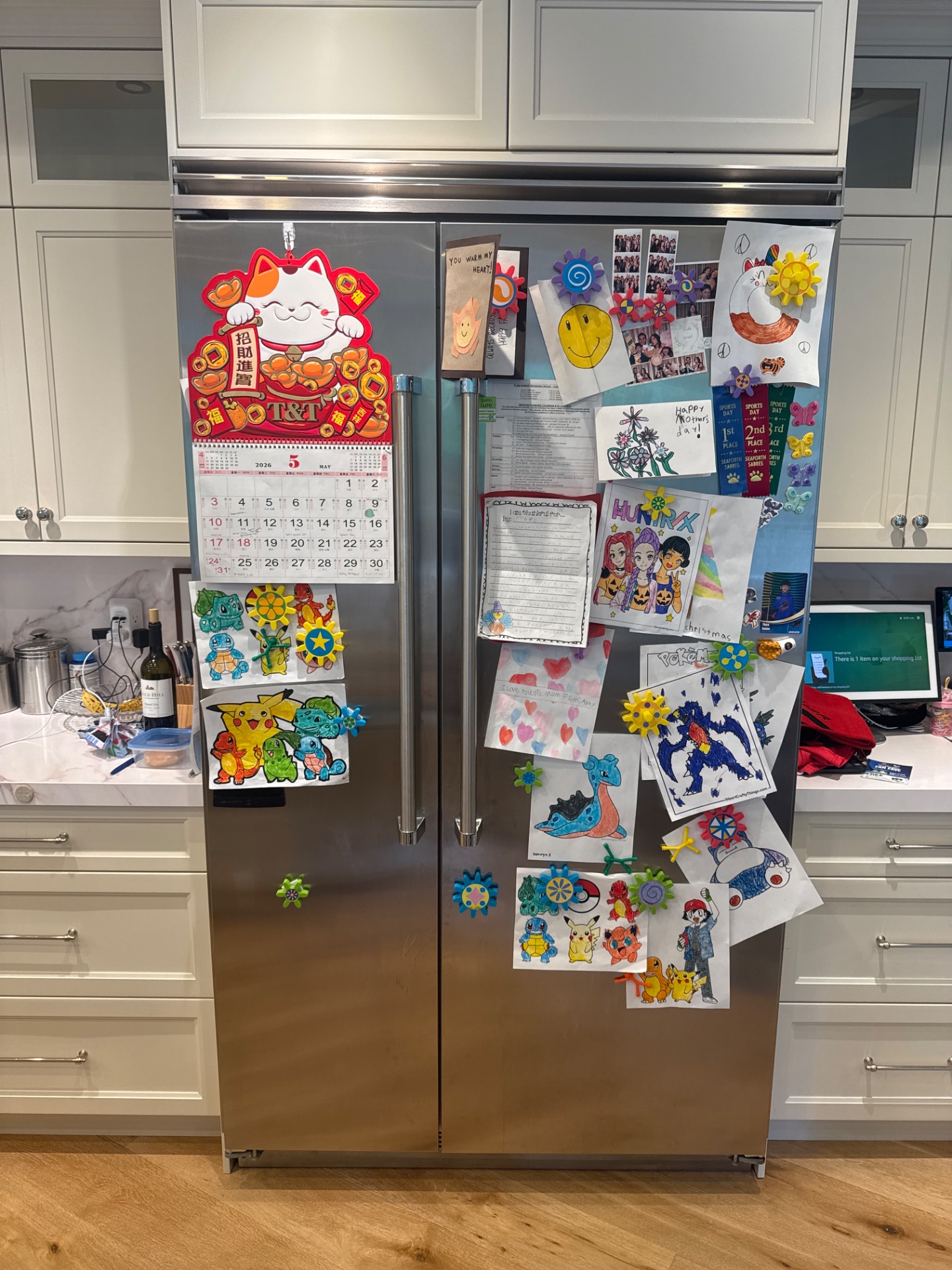
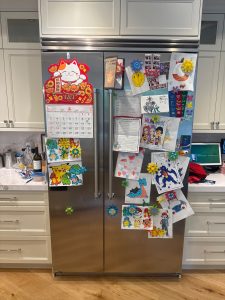
A homeowner in the Burnaby Lake / Government Road area of Burnaby, BC reported that their 48-inch Viking built-in side-by-side (model VCSB5483SS11) had stopped maintaining temperature. The presenting fault read as “compressor not running” — a symptom with a long differential on most refrigerators. On a Viking built-in of this generation, that differential is short. Technician Alexander completed the diagnostic and repair in a single visit by working that brand-specific differential first.
How the Fault Was Isolated
The diagnostic path on this call was not the generic “compressor not running” workup. Viking VCSB5483 units use an inverter-driven variable-speed compressor, and the inverter board is the most common single point of failure in this series. The procedure below reflects that.
Step 1 — Confirm the symptom. The cabinet was warm, the compressor was not energising, no audible startup attempts. Power at the appliance was present and correct. This much was consistent with a half-dozen possible faults.
Step 2 — Pre-empt the generic compressor workup. On most refrigerators, “compressor not running” sends the technician to test start relay, overload, compressor windings, and capacitor in sequence. On a Viking inverter-driven unit, none of those parts are wired the same way — there is no start relay in the conventional sense. The compressor receives a drive signal from an inverter board. If the inverter has stopped sourcing that signal, the compressor will sit dead with healthy windings.
Step 3 — Go to the inverter compartment first. On VCSB5483 units, the inverter board sits in a compartment vulnerable to condensation ingress over time. Inspection of the inverter compartment is the first move on this brand, not the last. The compartment was opened.
Step 4 — Visual confirmation. The inverter compartment was full of moisture. The inverter board was visibly soaked and visibly fried — burn marks on the board, no possibility of recovery. Diagnosis closed: the compressor itself was almost certainly fine; the board had stopped sourcing the drive signal entirely.
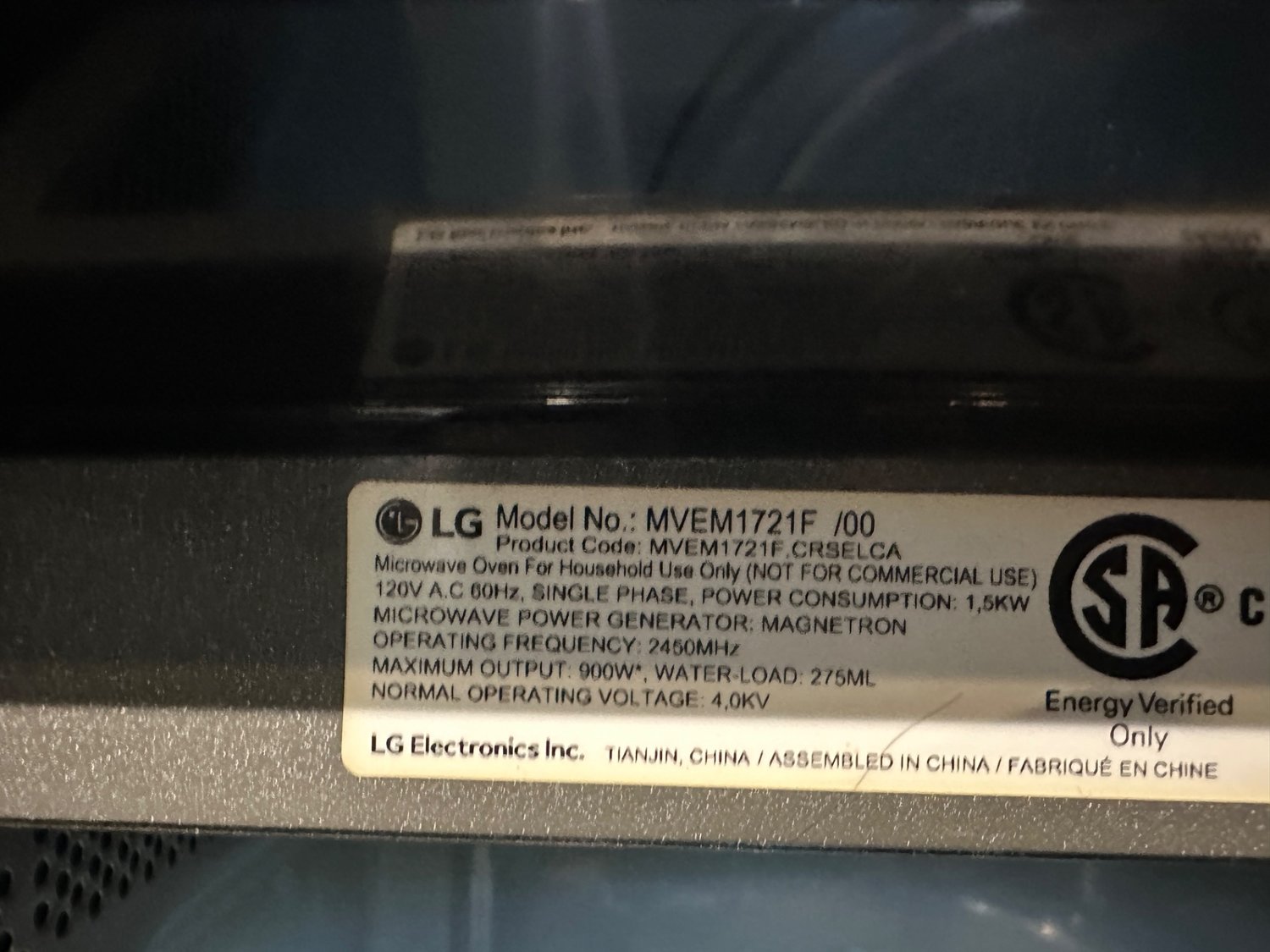
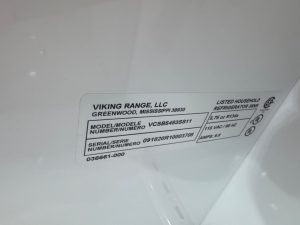
Step 5 — Verify model from the nameplate. Before pulling the replacement board, the model was confirmed from the appliance nameplate (VCSB5483SS11). Viking inverter boards are model-keyed — sourcing on a visual match is the most common cause of a return visit on this brand.
The Repair
Components replaced:
- Inverter board (part #011666-000) — the inverter that converts incoming AC mains into the variable-frequency drive signal the variable-speed compressor needs to run; the failure point on this Viking series when moisture reaches the compartment
The replacement board was sourced from truck stock rather than from a parts distributor. That detail is operationally meaningful on a Viking call: it is the difference between a single-visit repair and a two-visit job where the customer waits seven to ten days for the part to arrive with a dead unit and food at risk. Pre-stocking inverter boards for VCSB5483-class units is what a shop does when it sees these failures often enough.
Before installation, the repair quote was walked through with the customer and approved. The board was installed, the cabinet was returned to power, and the compressor came online on the inverter’s drive signal. Post-installation testing confirmed normal compressor operation, fresh-food and freezer pulldown into expected ranges, and no other faults present.
Why the Methodology Matters
The economic case is direct. “Compressor not running” on an unfamiliar shop’s workup ends with the compressor being condemned — and on a Viking built-in, that is a sealed-system rebuild quote in the $5,000+ range, plus a likely recommendation to consider unit replacement because “at that age and that price point…” A comparable Viking VCSB5483 built-in replacement runs in the $10,000–$15,000+ range installed once the cabinetry surround and removal are factored in.
The actual fault on this unit was an inverter board — a single OEM part, installed from truck stock, in a single visit. Total invoiced: $1,544 CAD (parts and labour, single visit).
The reason for the gap is not the parts catalogue. It is whether the technician walks into the call already knowing the brand’s known failure mode and inspects the inverter compartment before running the standard compressor workup. On VCSB5483-class Viking units, that is the right first move. On a Sub-Zero of similar vintage, the first move is different. On a Bosch, different again. Brand-specific diagnostic order is the methodology — and on this call, it cut a multi-thousand-dollar misdiagnosis down to a same-visit repair.