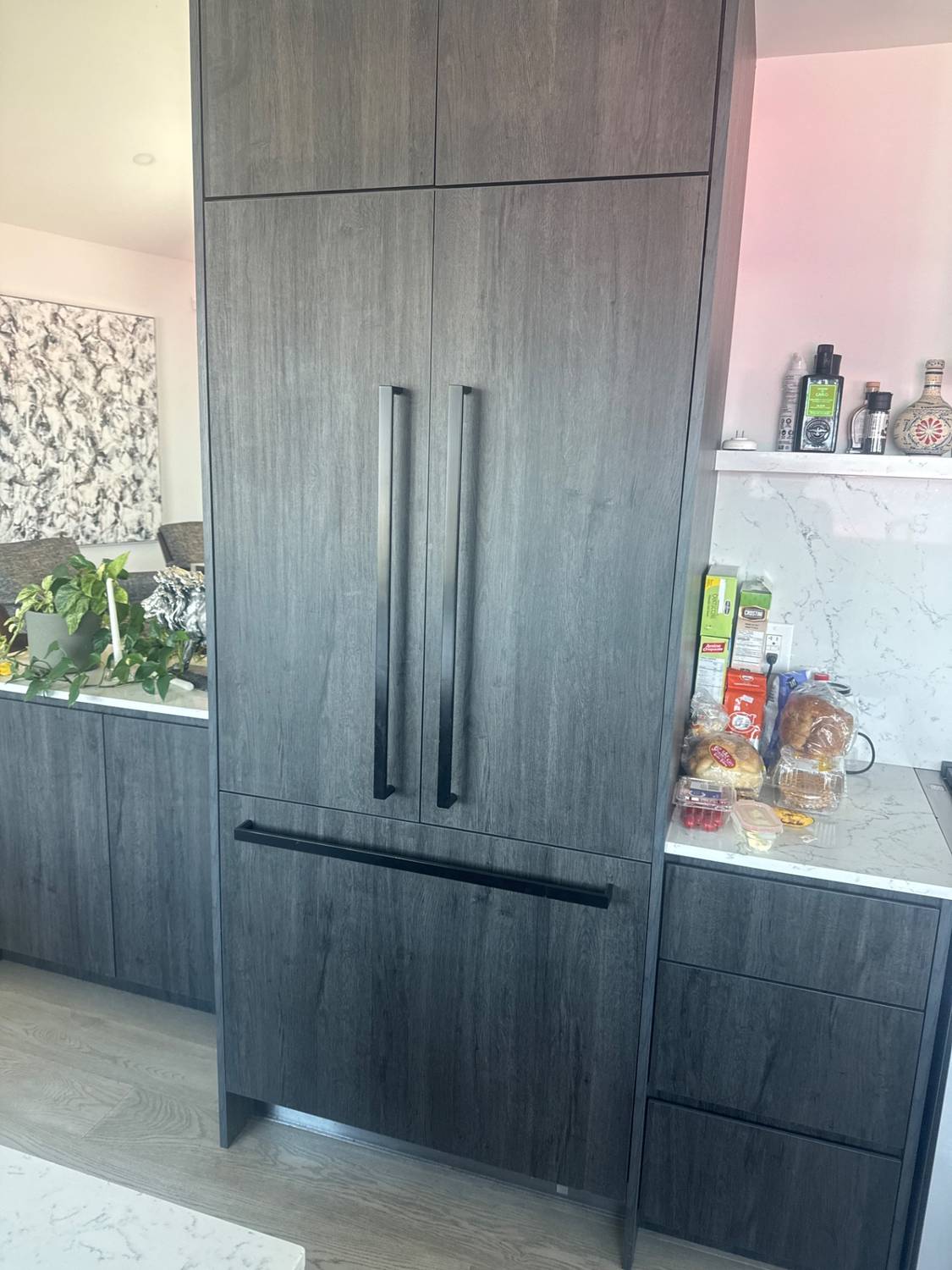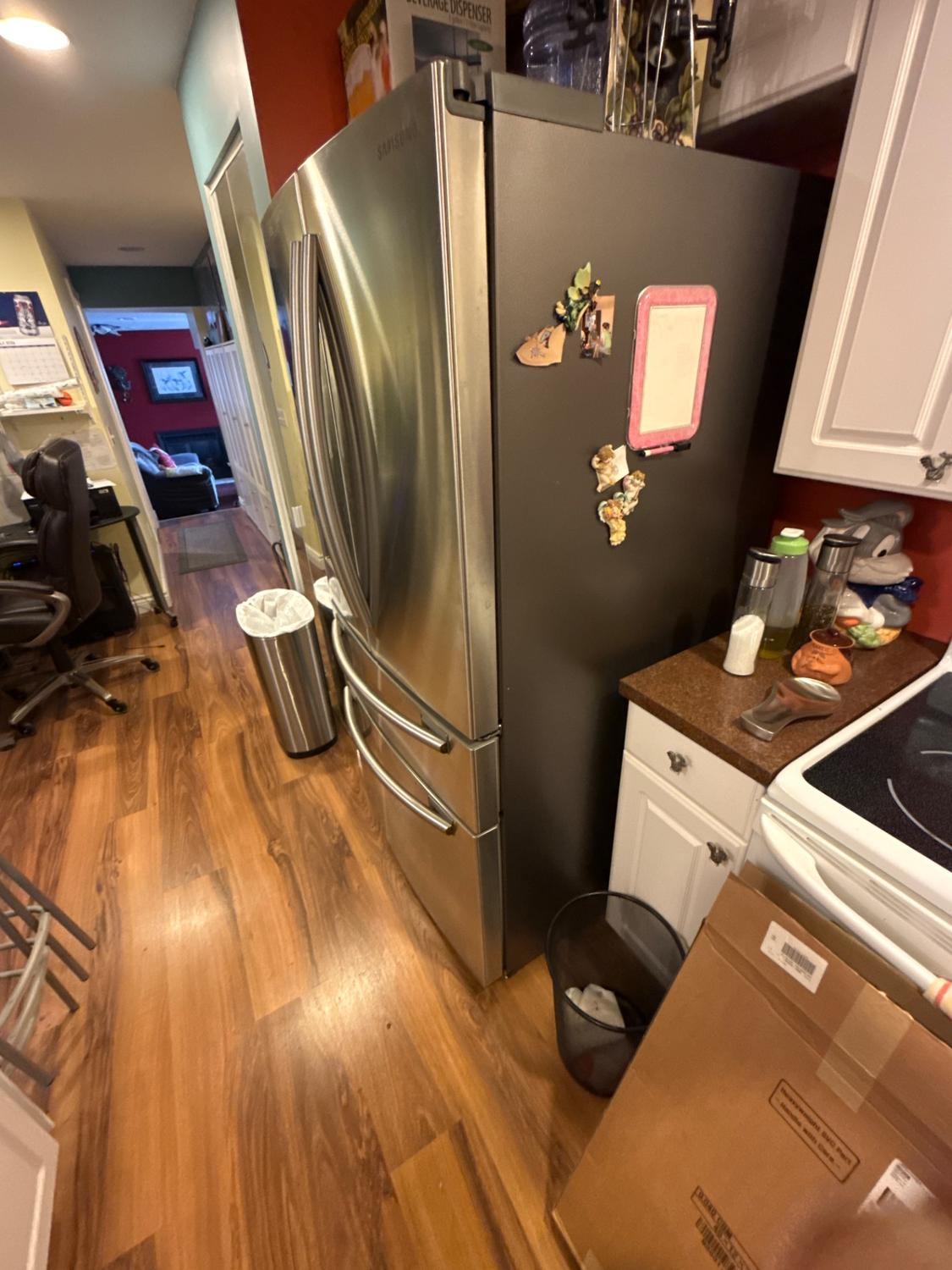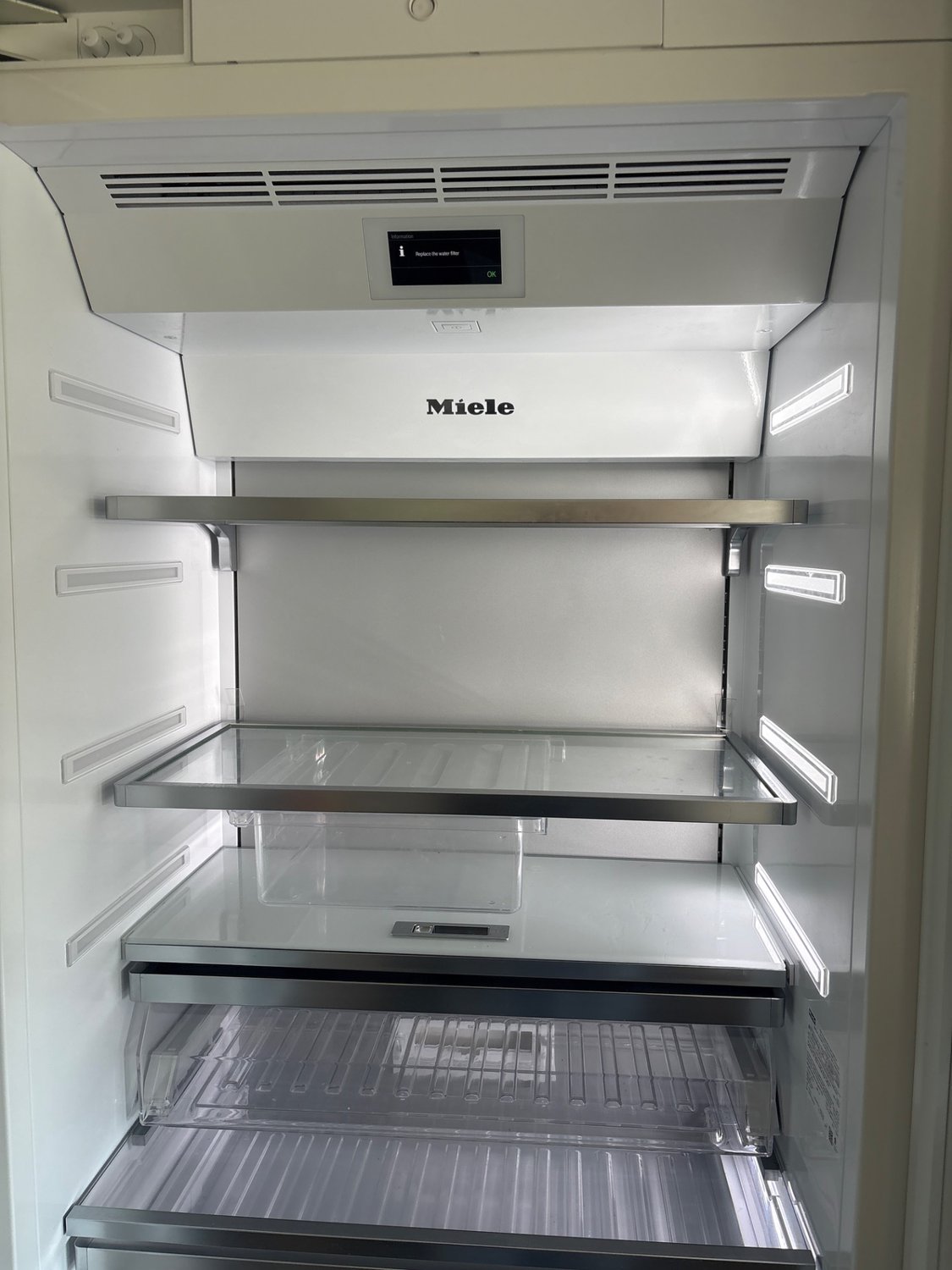



A fridge that isn’t cold enough is more than annoying — it can lead to spoiled food and safety risks. The good news: many “not cold enough” problems come from airflow, dirty coils, or a seal issue, and you can often diagnose them without tools.
Below is a structured, step-by-step troubleshooting guide (from easiest checks to more technical causes), plus clear signs when it’s time to call a professional.
Common Reasons for a Not Cold Enough Fridge
Most cooling issues are caused by one (or a combination) of these:
- Incorrect temperature settings (or a faulty thermostat)
- Dirty condenser coils causing poor heat release
- Poor airflow inside (blocked vents, overpacked shelves)
- Leaking door seals/gaskets letting cold air escape
- Evaporator fan issues (no cold-air circulation)
- Defrost system failure leading to ice buildup on coils
- Compressor problems
- Refrigerant leak / low refrigerant (professional-only)
How to Troubleshoot a Problem
Work through these in order. After each step, give the fridge time to respond (cooling is not instant).
1) Check Thermostat Settings
- Verify the fridge temperature setting wasn’t bumped accidentally.
- Typical targets:
- Fridge: ~3–4°C (37–40°F)
- Freezer: ~-18°C (0°F)
- If you adjust to colder, wait 12–24 hours to judge results.
2) Clean Condenser Coils
Dirty coils are one of the most common causes of weak cooling, especially if you have pets or the fridge is near a dusty area.
- Unplug the refrigerator.
- Find coils (back panel or underneath behind a grille).
- Use a vacuum with a brush attachment or a coil brush to remove dust.
- Clean the floor/wall area around the fridge to reduce re-buildup.
- Plug back in and monitor performance over the next 6–24 hours.
3) Ensure Proper Airflow Inside the Fridge
- Don’t overpack shelves — cold air must circulate.
- Make sure nothing blocks air vents (often at the back of the fridge compartment).
- Leave a small gap between items and the back wall.
4) Inspect Door Seals (Gaskets)
Even a small leak can prevent the fridge from reaching target temperature.
- Look for cracks, tears, gaps, or hardened rubber.
- Clean seals with mild soap/water (or diluted vinegar), then dry.
- Dollar bill test: close the door on a bill/paper and pull gently.
- Good seal: noticeable resistance
- Weak seal: slides out easily
- If the seal fails the test, replacement is often the real fix.
5) Examine the Evaporator Fan
If the evaporator fan isn’t running, cold air won’t circulate from the freezer section into the fridge (common on many designs).
- Unplug the fridge.
- Access is usually behind the back panel inside the freezer compartment.
- With the door open, press the door switch (to simulate “door closed”) and listen:
- Fan running: steady hum/air movement
- Fan not running: silent or intermittent
- Check for ice buildup or debris blocking the blades.
- If it has power but won’t spin freely, the motor may need replacement.
6) Test the Defrost System
If you see frost/ice buildup on the evaporator coils, airflow gets blocked and the fridge warms up.
- Signs: freezer still “kinda cold,” but fridge is warm; back freezer wall has heavy frost.
- Common faulty parts: defrost heater, defrost thermostat, defrost timer/control board.
- Some checks require a multimeter — if you’re not comfortable, this is a good point to call a technician.
7) Check the Compressor
- Listen near the back/bottom:
- Normal: low steady running sound (cycles on/off)
- Problem signs: clicking repeatedly, loud buzzing, or not running at all
- If the compressor won’t start or is noisy, professional diagnosis is recommended (start relay/capacitor vs compressor failure).
8) Inspect Refrigerant Levels (Professional Only)
Low refrigerant usually means a leak and requires certified handling.
- Typical signs: fridge runs constantly but never gets cold enough; one section cools poorly; unusual frost pattern (partial icing).
- Do not attempt refrigerant work yourself — it requires proper equipment and certification.
Dealing With More Serious Problems
If you’ve done the basics (settings, coils, airflow, seals) and the fridge still isn’t cooling properly, likely causes include:
- Evaporator fan motor failure
- Defrost system failure
- Compressor/start components failure
- Refrigerant leak
At this stage, professional service usually saves time and prevents further damage.
When to Call a Technician
If the fridge still will not hold temperature after the airflow and coil checks, a defrost, compressor, or sealed-system fault needs a technician and proper tools. TechVill repairs cooling faults across all major fridge brands. See our fridge repair service for booking and warranty.