


You open your January energy bill and the number makes you blink twice. $280? Last month it was $140. This isn’t a billing error. Calgary homeowners often see energy bills spike 30–50% in winter months, and appliances are a major reason why.
Between November and March, everything works harder. Your water heater fights near-freezing incoming water. Your dryer runs constantly because you can’t line-dry outside. And your garage fridge has to work overtime.
All that extra work adds up, but you don’t have to accept the spike. Simple changes can cut consumption by 15–25%, and most cost little to nothing. Here’s where to start.
Why Calgary Winter Bills Climb So Much?
Most Calgary homes use 600–1,000 kWh each winter month. Local electricity costs can land around $0.15–$0.20 per kWh after delivery and fees, which is where those $150–$250 monthly bills come from.
Where your money goes:
- Heating: 45–50%
- Appliances: 30–35%
- Lighting: 10–15%
- Everything else: 5–10%
The winter spike:
- Summer bills: $80–$120
- Winter bills: $150–$250
The difference in electricity usage in winter vs summer is dramatic. Your water heater can use 20–30% more energy because incoming water drops from about 15°C to around 4°C. Dryers run more because line-drying outside isn’t an option. You’re indoors more, cooking more, and doing more laundry.
When temperatures hit -20°C, a garage fridge may run constantly. Your water heater cycles on more frequently. Even your dryer works harder because cold air affects airflow and exhaust conditions.
Which Appliances Cost the Most to Run in Calgary Homes?
#1: Water Heater (if 10+ years old)
Monthly cost: $35–$50
Water heaters run 24/7 and account for the highest energy use in many homes. In winter, that demand often climbs.
How to cut costs:
- Set temperature to 49°C (120°F). Many tanks arrive set at 60°C, which is hotter than needed. This one change can reduce hot water energy use by 10–15%.
- Insulate the first two meters of hot water pipes leaving your tank
- Fix dripping faucets (hot water drips waste heated water)
- Take shorter showers
- Wash clothes in cold water when you can
If your water heater is over 10 years old and showing signs of trouble, checking efficiency before problems escalate can prevent both higher bills and unexpected breakdowns.
#2: Fridge (if pre-2000 model)
Monthly cost: $8–$17
Fridges never stop running. Older models (especially pre-2000) can cost significantly more per year. A fridge that’s not cooling properly wastes energy fighting to maintain temperature.
How to cut costs:
- Clean condenser coils twice a year (can reduce energy by 5–10%)
- Set fridge to 37–40°F, freezer to 0°F
- Keep it 70–80% full (mass holds cold better)
- Check door seals (try the dollar bill test)
- Don’t put hot leftovers straight in the fridge
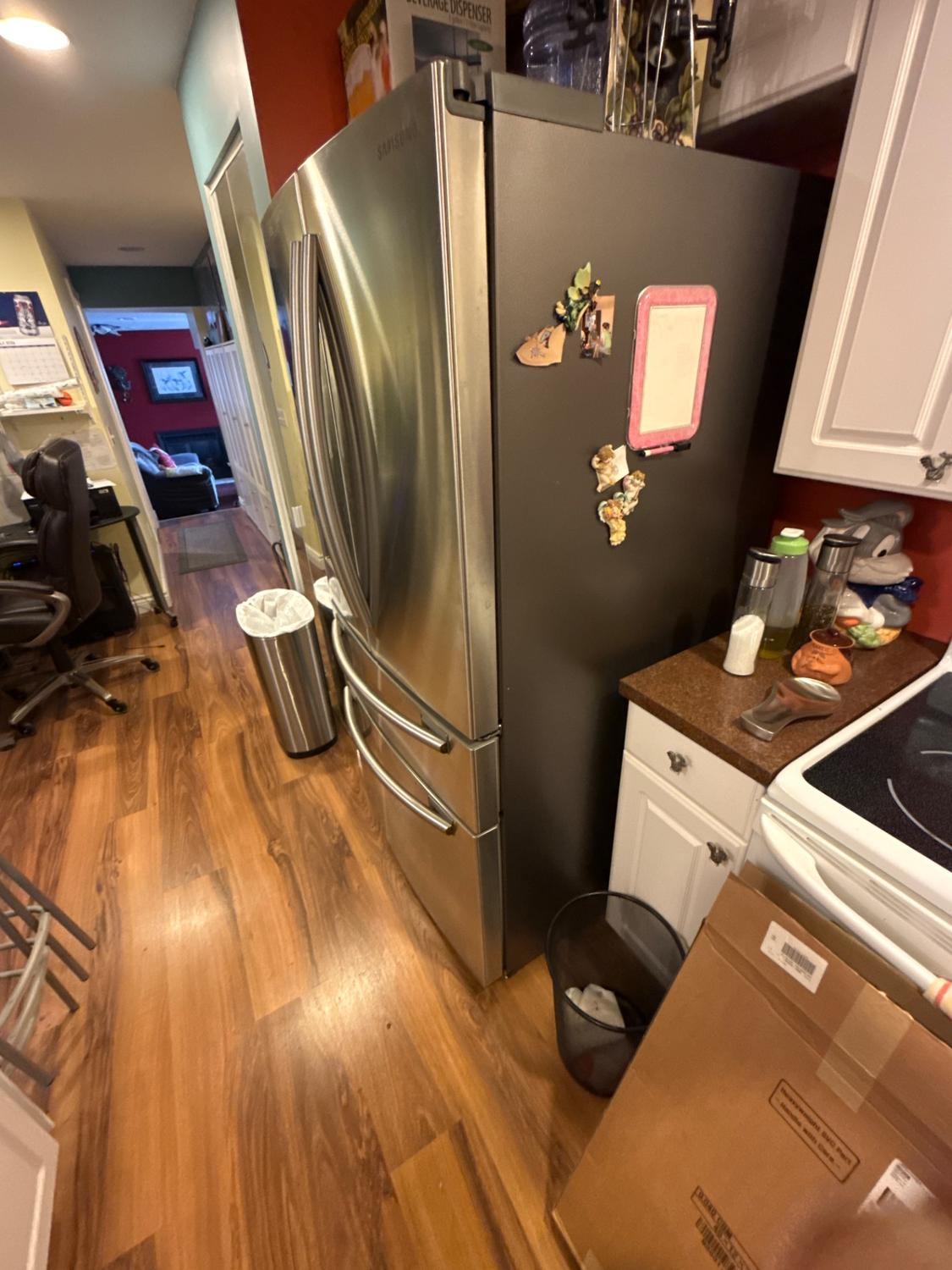
Garage fridges struggle badly when temperatures drop below -20°C. They can use far more energy (and may perform unpredictably) in extreme cold.
#3: Washer (if old top-loader, 10+ years)
Monthly cost: $4–$8
Most washing energy goes to heating water. The machine itself uses relatively little electricity, which means the biggest savings come from water temperature and load habits.
How to cut costs:
- Wash in cold water (can save 80–90% of washing energy)
- Run full loads only
- Skip extra rinse cycles unless needed
Switching to cold water washing is one of the easiest savings wins. If your washer isn’t draining or spinning correctly, it may be using extra water and energy through repeat cycles.
#4: Dryer (if 15+ years old)
Monthly cost: $8–$13
Calgary winters mean no line-drying from November to March. Heavy use plus airflow restrictions can make dryers inefficient fast.
How to cut costs:
- Clean lint trap before every load (often saves 5–10%)
- Clean the full vent system once a year
- Use moisture sensor settings
- Run full loads back-to-back to use retained heat
- Dry similar fabrics together
A clogged lint trap or vent is one of the most common reasons dryers lose efficiency and cost more to run.
#5: Dishwasher (if 10+ years old)
Monthly cost: $3–$7
Dishwashers can use less water than hand-washing, but most energy goes to heating that water and drying dishes.
How to cut costs:
- Run only full loads
- Skip heat-dry (open door after the cycle instead)
- Use eco mode
- Scrape plates, don’t rinse them
Skipping heat-dry can cut energy use by 15–20%. If your dishwasher isn’t cleaning dishes the way it should, you may be rewashing loads or running it more often than necessary.
#6: Oven and Range (especially electric models)
Cost: $5–$10 per month
Ovens and ranges draw high power but typically aren’t running constantly. Electric ranges draw more power than gas.
How to cut costs:
- Match burner size to pot size
- Keep oven doors closed
- Don’t preheat longer than needed
- Use convection settings when available
- Batch cook when possible
If your oven runs hot, trips breakers, or won’t ignite, it often means deeper issues that require professional repair to stop energy waste before it becomes a safety issue.
Calgary Appliance Energy Costs Compared
| Appliance | Monthly Cost | Winter Impact | Savings Possible |
| Water Heater | $35–$50 | +20–30% | $80–$150/year |
| Fridge | $8–$17 | Garage: up to +50% | $20–$50/year |
| Dryer | $8–$13 | +25% | $15–$30/year |
| Washer | $4–$8 | +15% | $20–$40/year |
| Dishwasher | $3–$7 | Minimal | $10–$15/year |
| Oven/Range | $5–$10 | +10% | $10–$20/year |
| Total | $63–$105 | Varies | $155–$305/year |
Water heaters and refrigerators cost the most. Focus there first.
No-Cost Changes You Can Make Today
These cost $0 and can cut energy use by 10–20%. That’s roughly $126–$227 saved annually for many households.
| Action | Time Required | Annual Savings | Notes |
| Lower water heater to 49°C | 5 minutes | $40–$60 | One-time adjustment |
| Wash clothes in cold water | No extra time | $20–$40 | Switch setting on washer |
| Skip dishwasher heat-dry | No extra time | $6–$12 | Open door after cycle ends |
| Clean dryer lint trap every load | 10 seconds | $5–$10 | Also reduces fire risk |
| Vacuum fridge coils twice yearly | 15 minutes each | $10–$20 | Set reminders for May and November |
| Run full loads only | No extra time | $15–$25 | Applies to dishwasher, washer, dryer |
| Unplug idle appliances | No extra time | $10–$20 | Use power strips for easy shutoff |
| Check door seals | 5 minutes | $10–$20 | Dollar bill test; replace if loose |
| Cover liquids in fridge | 10 seconds | $5–$10 | Reduces moisture and compressor work |
| Use lids when cooking | No extra time | $5–$10 | Boils faster; less heat loss |
Monitor Your Progress Month by Month
Making changes is step one. Tracking results keeps you motivated and shows what actually moved the needle.
How to monitor:
- Check your provider’s online account. Most show daily or monthly consumption.
- Compare the same month year-over-year. January 2024 vs January 2025 accounts for weather.
- Track kWh, not just dollar amounts. Rates change, but kWh shows real usage.
- Keep a log of changes. Note when you lowered water heater temp or started cold washing.
Reality check for Calgary winters:
Average winter electricity usage will always exceed summer. The goal is reducing the spike. If your bill typically jumps 60% in winter and you reduce that to 40%, you’ve made real progress.
Knowing which appliances draw the most power also helps if you ever rely on backup power during outages.
Control Your Winter Energy Spending
You can’t eliminate Calgary’s winter power spike, but you can control how much you spend. Start with the no-cost changes this week, track your usage, and compare month to month.
Many households cut appliance-related energy use by $100–$200 yearly through simple behavior shifts. Give your appliances the maintenance they need, and you’ll see the difference in your monthly bill.