


You’re looking at your eight-year-old refrigerator and wondering how much longer it’ll last. Should you start saving for a replacement? Is it normal that your dishwasher already has problems after five years? These questions matter because appliances represent investments between $500 and $3,000 each. Understanding how long they last helps you budget and avoid the panic of unexpected breakdowns.
This guide covers realistic lifespan expectations for every major household appliance, factors that affect longevity, and warning signs that replacement is approaching.

What Determines Average Appliance Lifespan?
The average appliance lifespan represents the point at which half of all units have failed and half continue working. These numbers come from manufacturer data, consumer reports, and real-world service records.
Actual appliance life depends on usage, installation, maintenance, and water quality. Daily use wears units out faster. Poor installation can cause early failure. Hard water damages washers and dishwashers. Regular maintenance adds years, neglect shortens them.
Average Lifespan of a Fridge
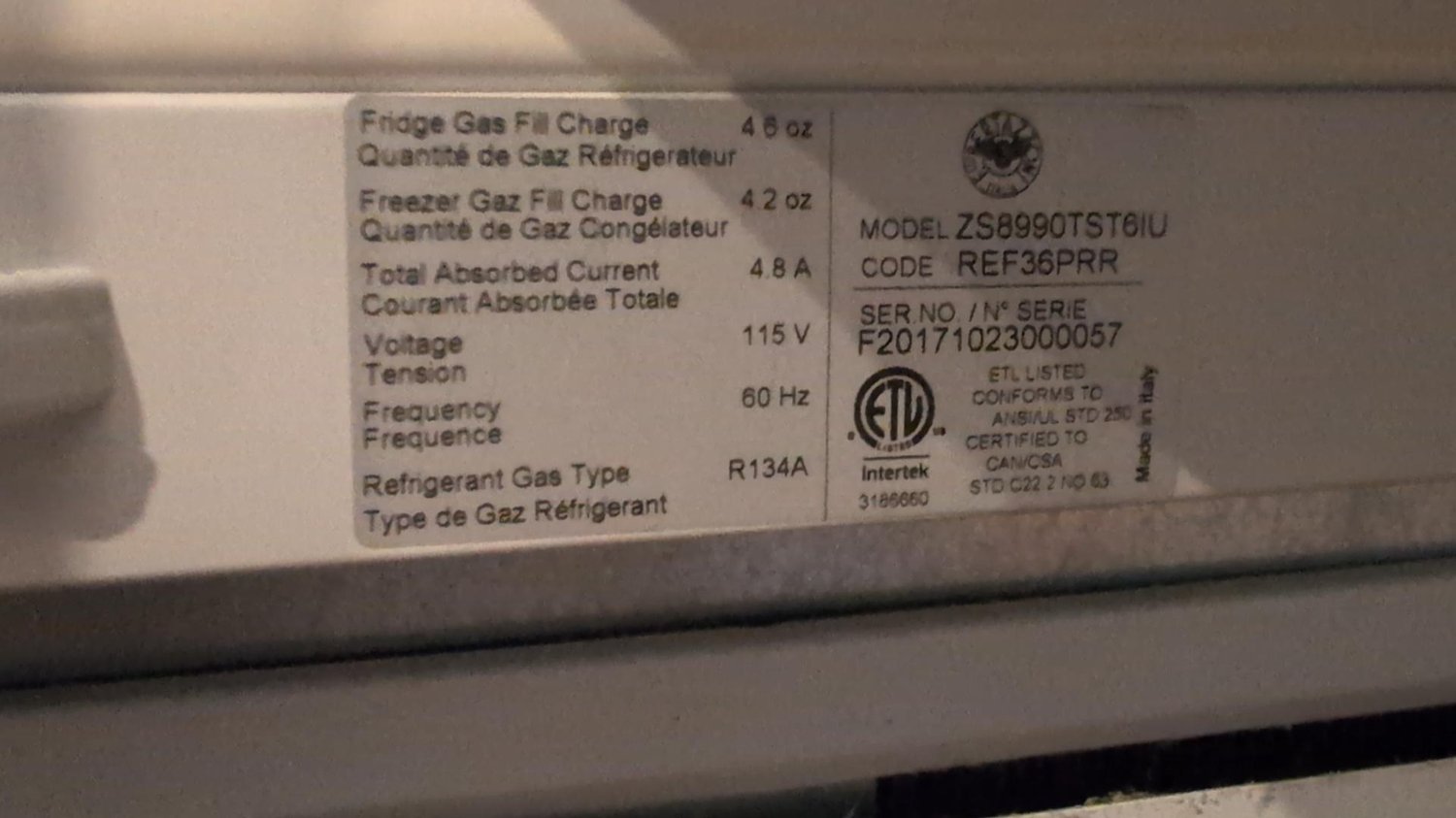
Most refrigerators last about 10–15 years. Top-freezer models usually hold up the longest (around 14–17 years), while French door styles tend to last closer to 10–12 years due to added features and components.
Ice makers and water dispensers often wear out first, usually within 6–8 years. Cleaning the coils periodically can add extra years. But if repairs become frequent or costly, replacement is often the smarter choice.
What About Dishwashers?
Most dishwashers last 9–12 years, with many failing around year 10. Pumps, motors, and control boards typically fail first, followed by seals and spray arms.
To extend lifespan: clean the filter monthly, run a vinegar cycle periodically, use rinse aid, and scrape food before loading. If your dishwasher stops cleaning properly or begins leaking in multiple areas, replacement often makes more financial sense than continued repairs.
Washer Life Expectancy
Traditional top-loaders with agitators last 12–14 years due to simpler mechanics. High-efficiency top-loaders average 10–12 years. Front-load washers typically last 10–12 years but are more prone to seal and bearing issues.
Avoid overloading, use the correct detergent, clean the drain filter regularly, and leave the door open between cycles. If you start hearing loud banging during spin cycles or notice leaks, replacement may be more practical than major repair.
How Long Do Dryers Last?
Dryers generally last around 13 years. Gas models often outlast electric by one to two years. Heating elements or igniters may fail earlier, while motors typically last the longest.
Lint buildup is the most common cause of premature failure. Clean the lint trap every load and the vent annually. If your clothes take multiple cycles to dry, the dryer overheats, or you hear grinding sounds, major repair may not be worthwhile.
Oven and Range Lifespan
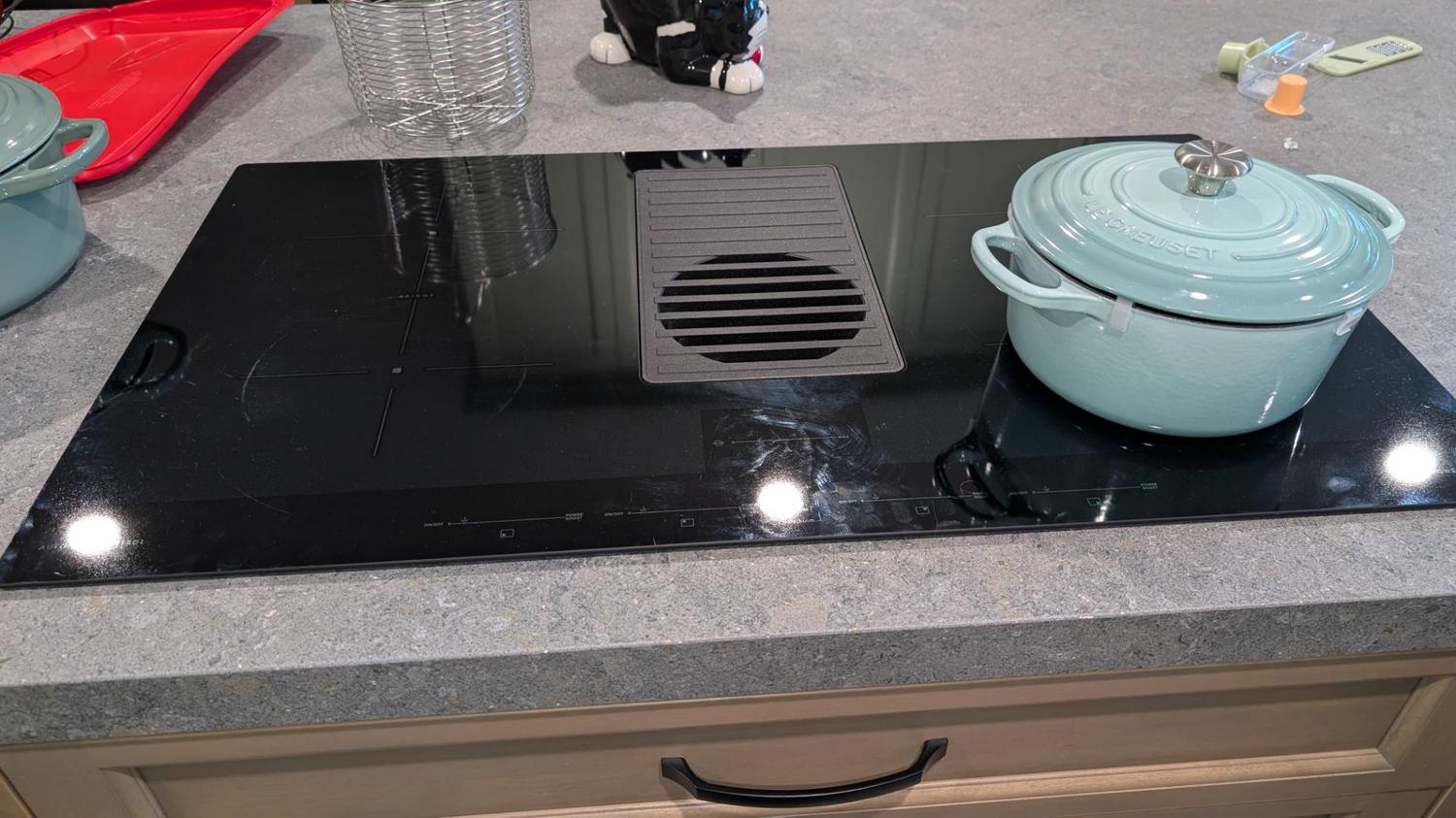
Ovens and ranges typically last 13–17 years. Gas models often reach the higher end of that range, while electric models average slightly less. Wall ovens can exceed 15 years. Induction cooktops typically last 10–15 years.
Limit use of self-cleaning cycles, avoid slamming doors, and use appropriate cookware. If oven temperatures remain inconsistent, burners stop heating, or controls fail, replacement may be approaching.
Warning Signs Your Appliance Is Dying
- Two or more repairs within a few years
- Noticeable drop in efficiency or performance
- Grinding, squealing, or banging sounds
- Rust, corrosion, or cracked components
- Outdated or discontinued models with hard-to-find parts
If multiple signs apply, your appliance is likely nearing end-of-life. Continued repairs may provide diminishing returns.
Financial Planning for Appliance Replacement
- Fridges: $1,000–1,500
- Dishwashers: $700–1,000
- Washing machines: $800–1,200
- Dryers: $700–1,000
- Ovens and ranges: $1,000–1,500
Planning Strategies:
- Appliance fund: Save $50–100 monthly for future replacements
- Staggered replacement: Replace around 75–80% of lifespan
- Emergency fund: Keep $2,000–3,000 reserved
Best Times to Buy:
- Black Friday and Boxing Day (Nov–Dec): Largest discounts
- January: Inventory clearance for new models
- September (Labor Day): Pre-holiday sales
- May (Memorial Day): Seasonal promotions
Avoid emergency purchases when possible. Consider 0% financing only if you can pay it off before interest begins. Extended warranties often cost more than self-insuring through savings.
How to Make Your Appliances Last Longer?
Universal Maintenance Tips:
- Read the manual: Proper use prevents premature wear
- Clean regularly: Monthly maintenance prevents buildup
- Fix small issues early: Prevent escalation
- Use correctly: Avoid overloading and wrong products
- Professional installation: Proper leveling extends lifespan
Specific Maintenance Often Skipped:
- Fridge coils: Clean twice yearly (adds 2–3 years)
- Dishwasher/washer filters: Clean monthly
- Dryer vent: Clean annually
- Gaskets and seals: Wipe monthly
- Water lines and hoses: Inspect quarterly, replace every 5 years
Set Realistic Appliance Lifespan Expectations
Appliances typically last 10–15 years, but maintenance and usage significantly influence that range. Regular upkeep extends life. Ignoring problems shortens it.
Track appliance ages, watch for warning signs, and plan replacements proactively. This approach keeps you prepared rather than reacting to emergencies.
Understanding what to expect reduces surprises and allows time to budget wisely.